Login/Register

Canada’s fast-food scene is evolving — and it’s evolving quickly.
Consumers still want meals that are convenient and fast. That hasn’t changed. But they’re also paying closer attention to freshness, customisation, ingredient quality, and options that feel lighter without sacrificing flavour.
For entrepreneurs exploring franchise ownership, that shift creates real opportunity. The brands positioned for growth are those that combine speed with relevance — and provide franchisees with strong operational systems from day one.
Margins matter. But operational simplicity and consistent execution matter even more.
Key Highlights
- Canada’s quick-service restaurant (QSR) market continues to expand.
- The market was valued at USD 31.12 billion in 2024 and is projected to reach USD 86.18 billion by 2035, growing at a CAGR of 9.7% (2025–2035).
- Franchising reduces startup risk through established systems, brand recognition, and structured support.
- Prairie Donair offers a modern, customisable menu aligned with today’s “fresh + fast” demand.
- Strong franchisor support plays a major role in first-year success.
Canada’s Fast-Food Market: Growth Outlook
According to a report published by Market Research Future, the Canadian fast-food market was valued at USD 31.12 billion in 2024 and is projected to grow to USD 86.18 billion by 2035, reflecting a compound annual growth rate (CAGR) of approximately 9.7% between 2025 and 2035.
That projected growth suggests sustained expansion in quick-service and fast-casual concepts across the country.
Forecasts should always be interpreted thoughtfully — local market conditions, competition, and execution still determine individual success. But the broader industry trajectory indicates continued consumer demand for convenient, accessible dining options.
For prospective franchise owners, this reinforces an important point: the opportunity is supported by category-wide growth, not just short-term trends.
(Source: Market Research Future – Canada Fast Food Market Report)
What “Fast Food Franchise” Means
A fast-food franchise is a business model where you (the franchisee) operate a location using an established brand’s systems, menu, and processes.
The franchisor provides:
- Training
- Operational standards
- Brand systems
- Ongoing support
In exchange, franchisees pay an upfront franchise fee and ongoing royalties.
For many first-time entrepreneurs, franchising is appealing because you’re not building from scratch. You’re stepping into a proven operating framework — and your job becomes executing it well.
The Fast-Food Franchise Landscape in Canada
Canada’s fast-food industry is dynamic, and there’s room for both household names and newer concepts—especially brands that match today’s customer priorities:
- Speed and convenience (order ahead, delivery, efficient service)
- Quality and freshness
- Customisation (people want control over ingredients)
- Health-conscious options without losing flavour
That shift is one reason “fast casual” and modern QSR concepts are gaining traction. If a brand can deliver quick service and a menu that feels current, it can build a loyal customer base faster than you’d expect.
What to Consider Before Buying a Franchise
Buying a franchise is a significant financial and lifestyle commitment. The best decision typically comes down to alignment — financial, operational, and personal.
Brand Recognition
An established brand gives you initial momentum. Consumers are more likely to try a name they recognise.
However, brand recognition alone doesn’t guarantee performance. Local execution still determines long-term results.
Unit Economics and Operational Model
Study how the concept functions behind the counter:
- Average ticket size
- Peak-hour throughput
- Labour requirements
- Food cost structure
- Menu complexity
Some menus look appealing but create operational strain. Simplicity often protects margins.
Total Startup Investment
Opening costs vary depending on:
- Location
- Build-out requirements
- Equipment
- Lease agreements
Always request realistic cost ranges so you’re comparing accurately.
Franchisor Support
Strong support can significantly reduce early-stage stress.
Look for clarity around:
- Training length and format
- Opening-day support
- Operations manuals
- Marketing systems
- Site selection assistance
Specific systems matter more than general promises.
Top Fast Food Franchises in Canada to Watch in 2026
Canada has no shortage of well-known chains—Tim Hortons, Subway, Burger King, Pizza Pizza, Mary Brown’s, and Boston Pizza are established examples.
At the same time, newer and more trend-aligned concepts can be attractive for investors looking for something that feels modern and differentiated.
Here’s a simple comparison snapshot of a few brands many investors consider:
| Franchise | Menu Focus | Why It Stands Out | Good Fit For |
| Prairie Donair | Customisable donairs, bowls, salads | Fresh + fast positioning; built-in customisation | Owner-operators & multi-unit investors seeking modern QSR |
| Mary Brown’s | Fried chicken & sides | Strong Canadian identity; consistent demand | Operators preferring established comfort-food categories |
| Edo Japan | Teppanyaki-style Japanese | Made-to-order appeal; flavour differentiation | Investors diversifying beyond burgers & pizza |
| Pita Pit | Customisable pitas & salads | Health-forward positioning | Operators focused on lighter, lunch-driven traffic |
Why many investors prefer fast-food franchises
Fast-food franchises can be attractive because they combine two things that entrepreneurs care about: demand and repeatable systems.
Common benefits include:
- A proven operating model (menus, processes, training, supply chain)
- Brand awareness from day one
- Faster learning curve compared with an independent restaurant
- Support systems that help you handle site selection, training, and launch
The quick-service category is also resilient. People may cut back on big nights out, but they still buy convenient meals—especially when the brand offers value and consistency.
How to Evaluate a Franchise Opportunity Properly
This is where thoughtful due diligence matters.
1. Think Like an Operator
Evaluate:
- Speed during peak periods
- Staffing requirements
- Prep time
- Equipment investment
Operational efficiency influences profitability more than menu popularity.
2. Speak With Existing Franchisees
Ask practical questions:
- How responsive is the franchisor?
- What challenges arose during the first year?
- How effective is marketing support in real markets?
Real-world operator feedback is invaluable.
3. Review Disclosure Documents Carefully
When provided with a Franchise Disclosure Document (FDD), review:
- Fees and royalties
- Territory protections
- Supplier obligations
- Renewal terms
- Exit conditions
A franchise lawyer’s review is typically a worthwhile investment.
Trends Shaping the Future of Fast Food in Canada
Key themes emerging across Canada include:
- Greater demand for fresh, lighter builds
- Digital ordering and loyalty integration
- Interest in authentic global flavours
- Consistent service and reliable execution
Being fast is no longer enough.
You must be fast — and consistently worth returning to.
Why Prairie Donair Stands Out
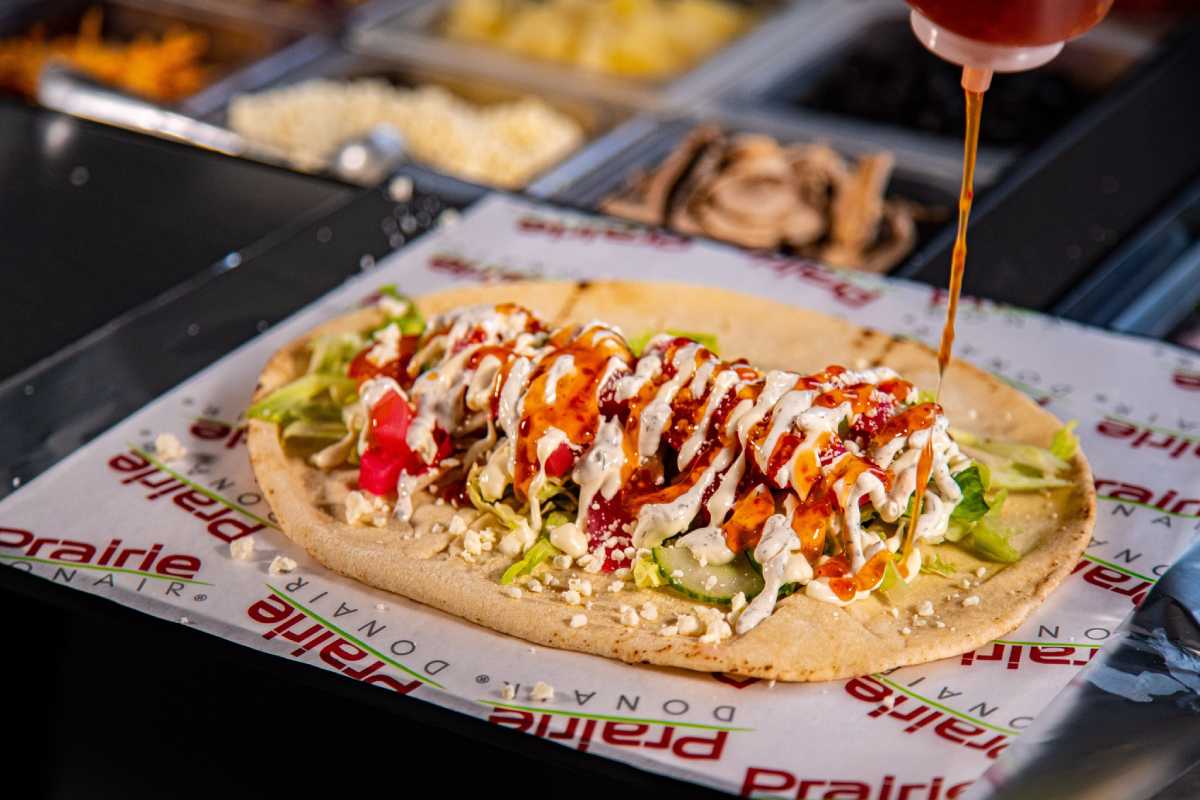
Prairie Donair focuses on a clear lane: fresh, customisable meals served quickly.
Its donairs, bowls, and salads align with the “build-your-own” preference that has become mainstream.
The brand’s Canadian roots and community-oriented positioning can also support local customer loyalty — an important factor in repeat traffic.
Rather than competing directly in saturated burger or pizza categories, Prairie Donair emphasises differentiation. For certain markets, that positioning may offer strategic advantages. Learn more about Prairie Donair Franchise.
How to Become a Prairie Donair Franchisee
The process typically includes:
- Initial enquiry
- Introductory discussion
- Application and financial review
- Disclosure review
- Site selection and planning
- Training and opening support
Prairie Donair is currently expanding in Alberta, Saskatchewan, and select other Canadian markets depending on territory availability.
Conclusion
Canada’s fast-food industry continues to demonstrate strong projected growth, supported by evolving consumer preferences and expanding digital convenience.
With the market projected to grow significantly over the next decade, franchise ownership remains an attractive pathway for entrepreneurs who prioritise structure, scalability, and operational discipline.
Prairie Donair reflects the broader trend toward customisable, fresh-forward quick service — making it one of several concepts worth evaluating in 2026.
If you’re evaluating Prairie Donair as an investment, check out our in-depth article: Why Prairie Donair Is a Promising Franchise Opportunity in Canada, where we explore the brand’s positioning, support model, and growth potential.